Neuro-Occupational Therapy

What is Neuro-Occupational Therapy?

A neuro-occupational therapist is a clinician who has expertise in neurological rehabilitation and in the process of restoring function in individuals with neurological conditions and disorders of the nervous system. Neuro-occupational therapist combines diverse knowledge base, theoretical orientations, and frame of references in conceptualizing and treating individuals with neurological condition to improve their function and quality of life. Neuro-Occupational therapists employ different techniques and treatment modality in their intervention.

 Conditions that I treat include:

  • Traumatic Brain Injury (TBI) is a form of acquired brain injury that occurs when an external mechanical force causes damage to the brain. This can result from incidents such as falls, motor vehicle accidents, sports injuries, or assaults. TBIs can range from mild concussions to severe brain damage, leading to a variety of cognitive, physical, emotional, and behavioural impairments. Treatment often involves a multidisciplinary approach, including occupational therapy to support functional recovery and adaptation.

    Occupational therapy (OT) plays a crucial role in the rehabilitation and recovery of clients with traumatic brain injury (TBI). TBI can result in a wide range of physical, cognitive, emotional, and behavioural challenges, and OT aims to enhance the individual’s ability to perform daily activities and improve overall quality of life.

    1. Restoring Daily Functioning: OT focuses on helping clients regain independence in daily tasks such as dressing, meal preparation, personal hygiene, and household management. Therapists assess specific difficulties and develop tailored strategies to overcome these barriers.

    2. Cognitive Rehabilitation: Many clients with TBI experience impairments in memory, attention, problem-solving, and executive functioning. Occupational therapists use cognitive retraining techniques and compensatory strategies to improve these skills, enabling clients to manage complex tasks effectively.

    3. Physical Rehabilitation: OT addresses physical deficits such as impaired motor skills, coordination, and sensory processing. Through therapeutic exercises and adaptive equipment, clients regain strength and functional mobility.

    4. Emotional and Behavioral Support: Emotional regulation and behavioural challenges are common post-TBI. Occupational therapists provide coping strategies, recommend environmental modifications, and support to help clients manage anxiety, depression, and frustration, facilitating better social engagement.

    5. Work and Community Reintegration: A key goal is supporting clients to return to work or engage in meaningful community activities. Occupational therapists assess vocational capabilities, recommend workplace adaptations, and develop gradual return-to-work plans.

    By addressing the diverse and multifaceted effects of TBI, occupational therapy offers a comprehensive approach that promotes recovery, independence, and participation in daily life for clients.

  • A stroke occurs when the blood supply to part of the brain is interrupted or reduced, preventing brain tissue from receiving essential nutrients and oxygen. This can result in brain cell damage or death, leading to impairments in movement, speech, cognition, and daily functioning.

    Occupational therapy plays a crucial role in stroke rehabilitation by helping individuals regain independence and improve their quality of life. Through personalized interventions, occupational therapists assist clients in relearning skills necessary for everyday activities such as dressing, eating, and bathing. They also address challenges with motor coordination, cognitive deficits, and visual-perceptual difficulties that may arise after a stroke. Furthermore, occupational therapists provide strategies and recommend adaptive equipment to support safe mobility and participation in work, leisure, and social activities. Their goal is to empower stroke survivors to recover functional abilities and reintegrate into their communities.

    A stroke occurs when the blood supply to part of the brain is interrupted or reduced, preventing brain tissue from receiving essential nutrients and oxygen. This can result in brain cell damage or death, leading to impairments in movement, speech, cognition, and daily functioning.

  • A concussion is a mild traumatic brain injury resulting from a bump, blow, or jolt to the head that disrupts normal brain function. It often leads to symptoms such as headache, dizziness, confusion, sleep disruption, memory problems, and difficulty concentrating. Although concussions are considered mild, their effects can significantly impact daily functioning, especially when symptoms persist.

    Occupational therapy plays a crucial role in concussion recovery by addressing the functional impairments that arise from the injury. An occupational therapist assesses the individual's cognitive, physical, emotional, and sensory challenges and develops tailored interventions to enhance their ability to perform everyday activities. This may include strategies to manage fatigue and concentration difficulties, adaptations to work or home environments, stress management techniques, and gradual reintroduction to daily routines. By focusing on improving independence and quality of life, occupational therapy supports sustainable recovery and helps individuals return to their usual roles effectively.

  • Chronic pain is defined as persistent or recurrent pain lasting longer than three months, often beyond the usual course of an acute illness or injury. It can significantly impact an individual’s physical, emotional, and social well-being, limiting daily activities and reducing quality of life.

    Occupational therapy (OT) plays a crucial role in managing chronic pain by helping individuals develop skills and strategies to improve function and participation in meaningful activities. OTs assess the impact of pain on daily routines and work with clients to modify tasks, use adaptive equipment, and implement energy conservation techniques. Through graded activity programs and cognitive-behavioural approaches, OTs support pain self-management, helping clients regain control and improve coping mechanisms. By addressing both physical and psychosocial aspects, occupational therapy enhances independence and overall quality of life for those living with chronic pain.

  • Patients with complex rehabilitation needs are individuals requiring comprehensive and coordinated therapeutic interventions due to a combination of physical, cognitive, emotional, and psychosocial challenges, resulting from multiple medical and psychiatric conditions. Occupational therapists (OTs) play a critical role in assessing, treating, and case managing these patients by developing personalized rehabilitation plans that address functional impairments, promote independence, and improve quality of life

     Through these targeted interventions, occupational therapy not only aids in physical recovery but also addresses the psychosocial aspects of rehabilitation, thereby fostering greater autonomy and participation in life roles.

  • Adults with Autism Spectrum Disorder (ASD) experience a range of neurodevelopmental differences characterized by challenges in social communication, repetitive behaviours, and restricted interests. These challenges can affect daily living, employment, relationships, and overall quality of life.

    Occupational therapy (OT) supports adults with ASD by focusing on enhancing their functional independence and maximizing participation in meaningful activities. OT interventions may include developing social skills, improving sensory processing, adapting environments, and fostering daily living skills such as cooking, budgeting, or time management. For adults with autism, occupational therapy can also facilitate vocational support, helping them to navigate job demands and workplace social dynamics. By tailoring interventions to individual strengths and needs, OT promotes self-confidence and autonomy, contributing to improved mental health and well-being.

  • Long COVID refers to a range of symptoms that persist for weeks or months following the acute phase of a COVID-19 infection. These symptoms can include fatigue, cognitive difficulties (often described as "brain fog"), shortness of breath, muscle weakness, and mental health challenges such as anxiety or depression. The condition can significantly affect an individual's ability to perform daily activities, return to work, and maintain social connections.

     Occupational therapy plays a crucial role in supporting individuals with Long COVID by focusing on improving function and quality of life. Therapists assess the impact of symptoms on daily tasks and develop personalized strategies to manage fatigue, enhance cognitive function, and improve physical endurance.

     Interventions may include energy conservation techniques, cognitive retraining strategies, graded activity planning, and environmental modifications to facilitate independence at home and in the workplace. Additionally, occupational therapy supports mental health by promoting coping strategies and addressing stress management, thereby helping clients regain control over their daily lives.


What is Neurological Rehabilitation?​

Neurological rehabilitation is a dynamic process where remediation and compensatory strategies are employed to support the individual to maximize their functional outcome. Barnes (2003) defines neurological rehabilitation as an active process where a disabled individual is assisted to gain knowledge and skills to optimize their physical, psychological, and social functioning.

Barnes, M. P. (2003). Principles of neurological rehabilitation. Journal of Neurology,

Neurosurgery and Psychiatry, 74(suppl 4), iv3-7. 

https://doi.org/10.1136/jnnp.74.suppl_4.iv3


A woman with long wavy hair, wearing a denim jacket, pink pants, and black shoes, stands in a park with a walker. She reaches up to touch the leaves of a tree with her right hand, surrounded by autumn-colored foliage.

Occupational Therapy for Adults with Autism

Two people holding hands, with one person supporting the other's hand, in an indoor setting.

Occupational therapy (OT) can be highly beneficial for adults with autism spectrum disorder (ASD). Incorporating occupational therapy into the life of an adult with autism can significantly enhance their quality of life, promoting independence and overall well-being. Occupational therapy interventions are personalized to address the individual's unique challenges and strengths, ensuring the most effective outcomes. OT focuses on helping individuals develop or regain the skills they need to lead independent, satisfying lives. For adults with autism, OT interventions are tailored to address specific challenges they might face in daily living, social interactions, and employment.

  • Self-Care: Occupational therapists work on activities such as dressing, grooming, and personal hygiene, enhancing an individual's ability to care for themselves independently.

  • Many individuals with autism have sensory processing difficulties. Occupational therapists can create sensory integration activities to help them regulate responses to sensory input, improving their tolerance to various stimuli.

  • Occupational therapists can work on social skills training, teaching individuals with autism how to engage in conversations, interpret social cues, develop friendship, and respond appropriately in different social situations. These skills are crucial for building and maintaining relationships.

  • Individuals with autism may struggle with fine motor skills like writing or using utensils and gross motor skills like coordination and balance. Occupational therapists can design exercises and activities to improve these skills.

  • Teaching coping strategies and emotional regulation techniques can help adults with autism manage anxiety, frustration, and other emotions effectively.

  • Occupational therapists can assist in vocational training, helping individuals with autism acquire job-related skills, adapt to workplace routines, and manage sensory challenges in a work environment. Occupational therapists can collaborate with employers to create a sensory-friendly workplace, making accommodations that facilitate the individual's success on the job.

  • Occupational therapists can suggest modifications in home and work environments to make them more sensory-friendly, reducing potential stressors.

  • Engaging in recreational activities is essential for overall well-being. Occupational therapists can work with clients to identify suitable hobbies and interests, ensuring that individuals with autism have fulfilling leisure activities.

  • Occupational therapists often work closely with families, caregivers, and other healthcare professionals to create a comprehensive support network. Collaboration ensures that the individual receives consistent care and assistance.

  • Occupational therapists can help adults with autism develop executive functioning skills, such as time management, planning, organization, and problem-solving. These skills are essential for managing daily routines and responsibilities.

  • Life is filled with transitions. Occupational therapists assist in major life transitions such as moving to a new living situation or starting a new job, providing support and coping strategies.

    • Cooking and Meal Perpetration: Teaching meal planning and preparation, including grocery shopping and following recipes. This is done whilst considering sensory sensitivities and dietary restrictions. These skills help individuals make healthy eating habits.

    • Household Management: OT helps individuals learn how to manage household tasks, from cleaning to organizing, ensuring they can live comfortably in their environment.

    • Managing Finances: This involves tasks such as managing money, paying bills, and budgeting.

    • Transportation: Using public transportation or driving, arranging and organizing travel, and managing appointments.

    • Communication: Using the telephone, email, or other forms of communication to stay in touch with others.

    • Medication Management: Organizing and taking prescribed medications as directed by healthcare providers.

    • Shopping: Purchasing items, both necessities and recreational, and managing a shopping list.

    • Health Management: Scheduling and attending medical appointments, following medical advice, and managing health-related tasks.

Here are several ways in which occupational therapy can help adults with autism:

Certifications

Logo of the National Board for Certification in Occupational Therapy with the word 'Neurology' above.

I have advanced training in neurological rehabilitation which includes:

  • Arnadottir OT-ADL Neurobehavioral Evaluation (A-ONE).
    A-ONE rater number: CA14-213. University of Toronto Faculty of Medicine Toronto, Ontario
    Canada.

  • Therapeutic Taping, Posture and Positioning Techniques, Bellingham,
    Washington USA.

  • Shoulder Rehabilitation, Bellingham, Washington USA.

  • Resolving Shoulder Impairments and Improving Function.
    Neuro-Integrative Functional Rehabilitation and Habilitation Trained (NEURO-IFRAH Trained™)
    Portland, Oregon USA.

  • Introduction to the Neuro-Dynamic Therapy Approach in the Treatment & Management of Adults with

  • Hemiplegia. Neuro-Dynamic Therapy Trained (NDTT™) and Neuro-Integrative Functional Rehabilitation and Habilitation Trained (NEURO-IFRAH Trained™), Portland, OR USA.
    Certificate No.: NDTT- 1090
    Neuro-IFRAH Trained- 109

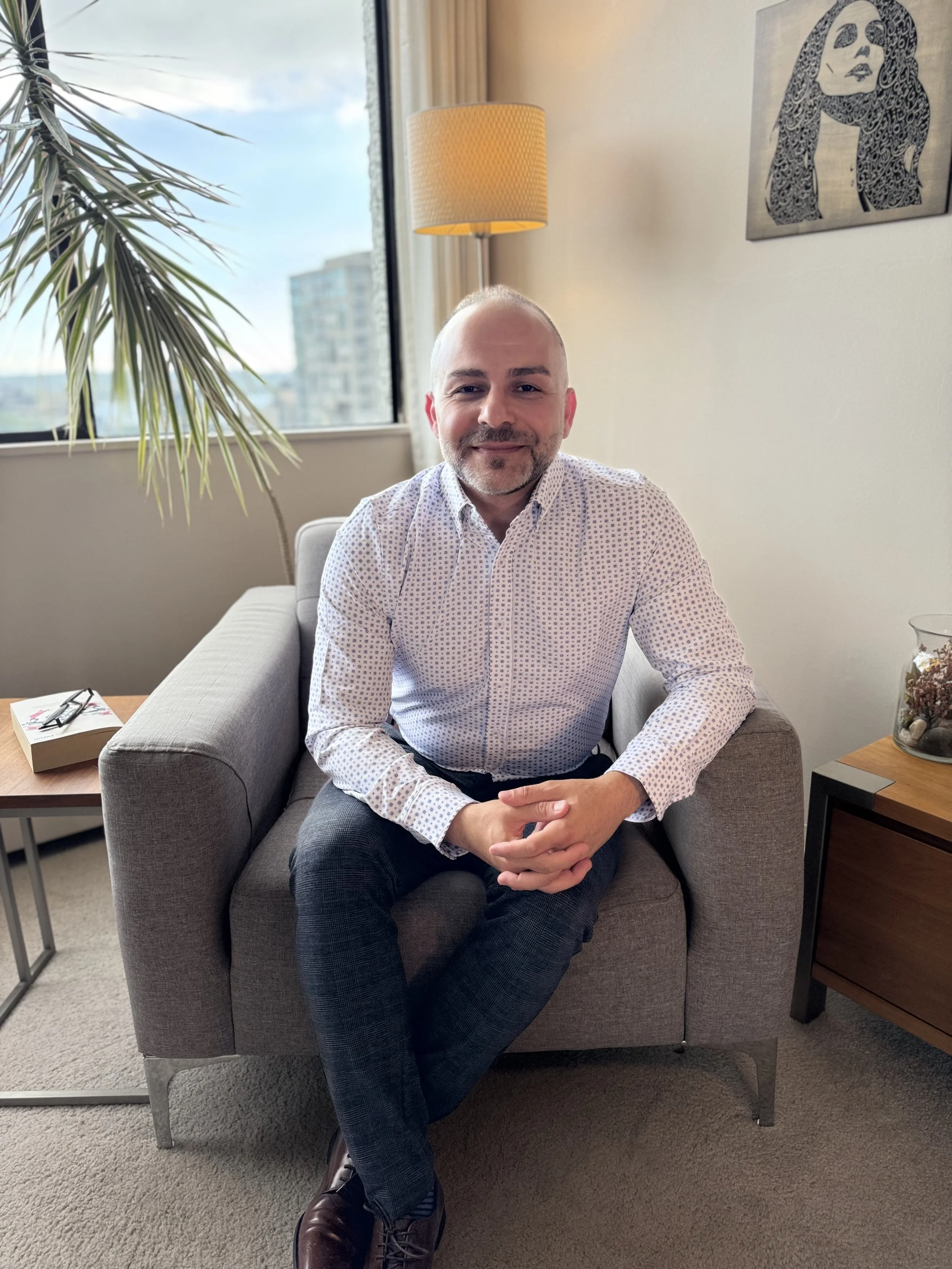
A man standing indoors in front of a window with a tall potted plant next to him, smiling at the camera. The room is softly lit with a lamp and curtains.

About me as an Occupational Therapist

I have been a practicing occupational therapist for more than 24 years in different clinical, academic, and leadership roles. I have advanced training and expertise in neurological rehabilitation. As an occupational therapist, I worked in diverse clinical settings including acute care, intensive care units, and outpatient care units.  

In addition, I am experienced in working with adults on autism spectrum. 

Furthermore, I was a faculty lecturer at the School of Physical and Occupational Therapy at McGill University, Montreal. At the present time, I am a  clinical instructor at the Department of Occupational Science & Occupational Therapy faculty at UBC and Chair of the Neurology Practice Network at The Canadian Association of Occupational Therapists-BC.

Get in Touch